AI has made blogging look easier than ever.
A few years ago, writing a blog post could take hours. You had to think of the title, plan the structure, write the introduction, organize the ideas, edit the sentences, and then prepare everything for publishing.
Now, with AI, one blog post can be created in minutes.
That sounds powerful. And honestly, it is powerful.
But there is one problem many beginners do not see at first.
AI can help you write faster, but writing faster does not automatically mean making money faster.
This is where many AI blogs fail.
A lot of people start a blog with excitement. They use AI tools to create many articles. They publish post after post. At first, it feels like real progress. The website begins to look full. The archive grows. The number of published posts increases.
But after a while, reality becomes uncomfortable.
The posts are there.
The website is active.
The content is published.
But the visitors do not come.
And even if a few visitors come, the money does not follow.
That is when many beginners start to ask the real question:
“Why is my AI blog not making money?”
The answer is usually not because AI is bad.
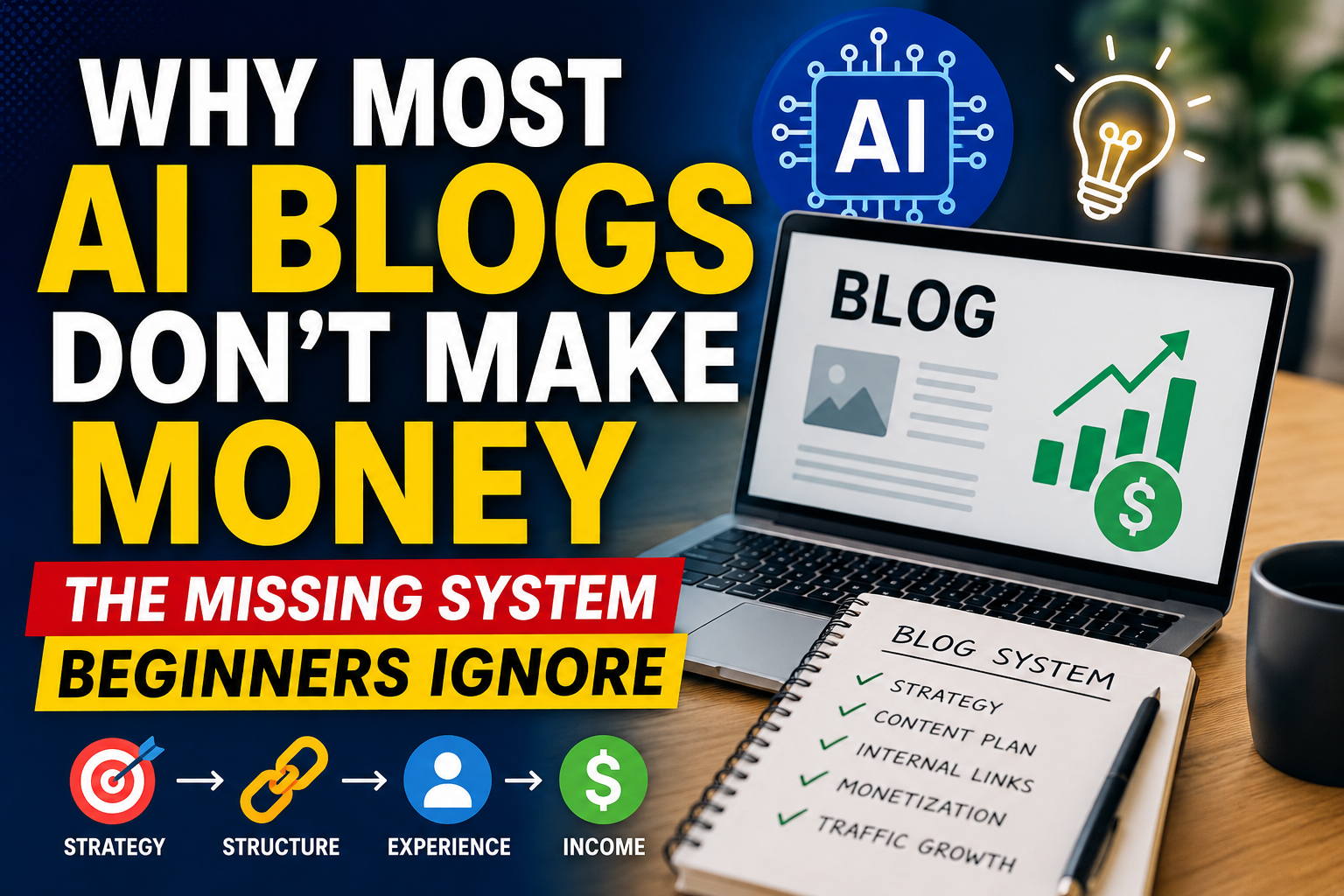
The answer is usually because the blog has no system.
I Also Thought Posting More AI Articles Would Be Enough
I understand this mistake because I made it too.
When I first started using AI for blogging, I thought the biggest advantage was speed.
Before AI, writing one article took time. But with AI, I could create content much faster. I could come up with topics, generate outlines, write drafts, and publish articles much more quickly than before.
At one point, I even tried publishing dozens of AI-written posts in a single day.
My thinking was simple.
If I publish more posts, more people will find my blog.
If more people find my blog, traffic will grow.
If traffic grows, money will come.
It sounded logical.
But the result was very different from what I expected.
The posts kept increasing, but almost nobody came to read them.
My website looked busy from the outside, but the reality was empty. I had more content, but not more readers. I had more pages, but not more trust. I had more words, but not more income.
That experience taught me something important.
The problem was not only the number of posts.
The problem was that most of those posts had no real personal experience inside them. They looked clean. They had titles. They had paragraphs. They had information.
But they did not feel like they came from a real person who had tried, failed, learned, and changed.
So I changed my approach.
Instead of trying to publish as many posts as possible, I started writing from experience. I wrote about what actually happened when I used AI to create content. I wrote about the disappointment of publishing many articles and still getting no traffic. I wrote about the mistake of thinking that quantity alone would create income.
And something changed.
I did not need to publish as many posts as before, but visitors slowly started to increase.
The articles with real experience performed better than the generic articles. People seemed to spend more time on them. The writing felt more honest. The content had a reason to exist.
That is when I realized something important about AI blogging.
People do not only want information.
They want information from someone who has actually been through the problem.
AI can help you write faster, but AI cannot live your life for you. It cannot feel the frustration of publishing articles that nobody reads. It cannot experience the disappointment of earning nothing after working hard. It cannot explain your personal lessons unless you bring those lessons into the article.
That is why human experience matters so much.
AI Can Create Content, But It Cannot Create a Business System for You
AI is useful.
It can help with titles.
It can help with outlines.
It can help with SEO ideas.
It can help rewrite weak sentences.
It can help organize messy thoughts.
But AI does not automatically turn your blog into a business.
This is where many beginners misunderstand blogging.
They think the process is simple:
Write articles.
Get traffic.
Make money.
But real blogging is not that simple.
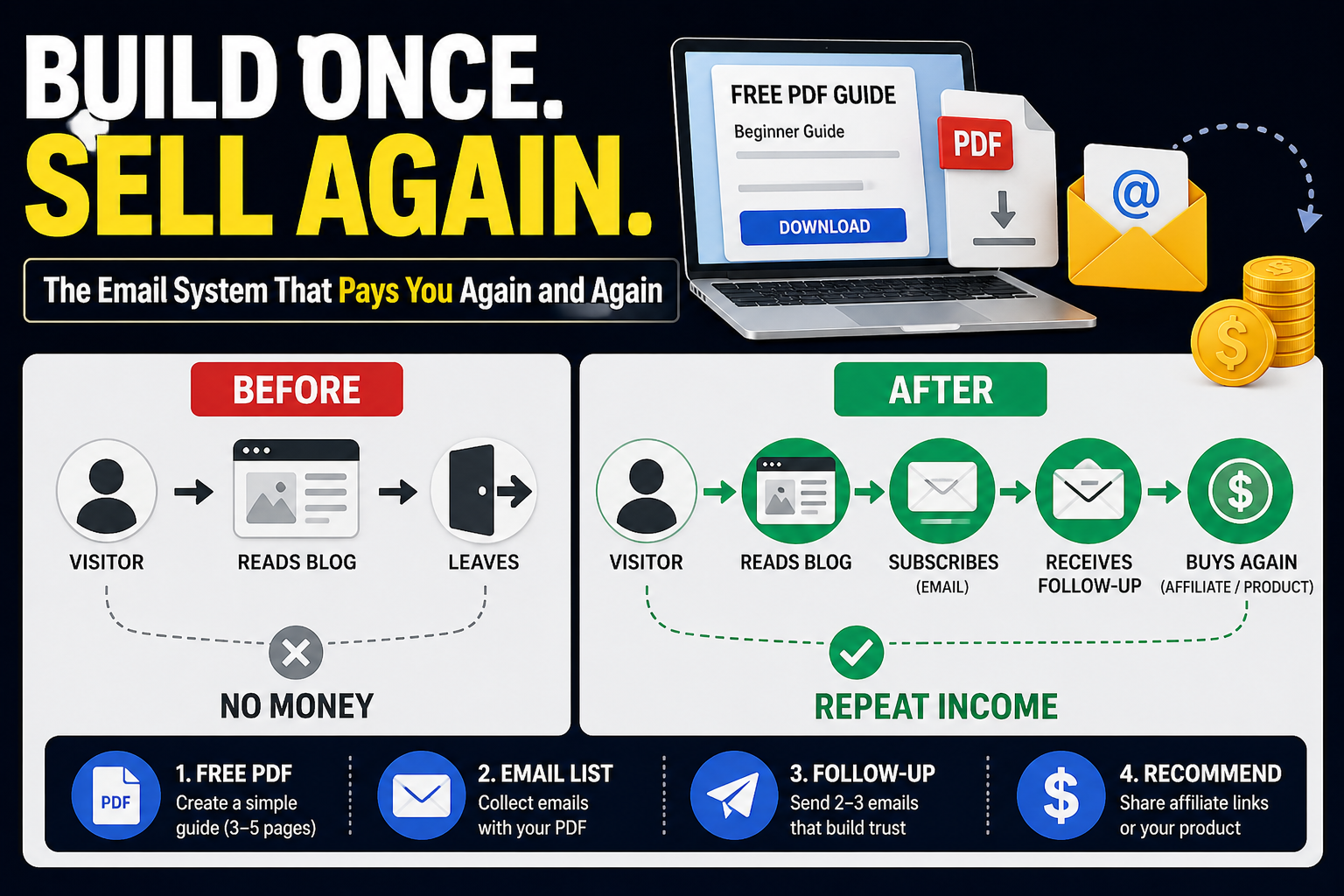
A blog that earns money usually has a system behind it.
A visitor finds one article.
The article answers a real question.
The visitor trusts the site.
The visitor reads another article.
The visitor clicks an internal link.
The visitor sees an ad.
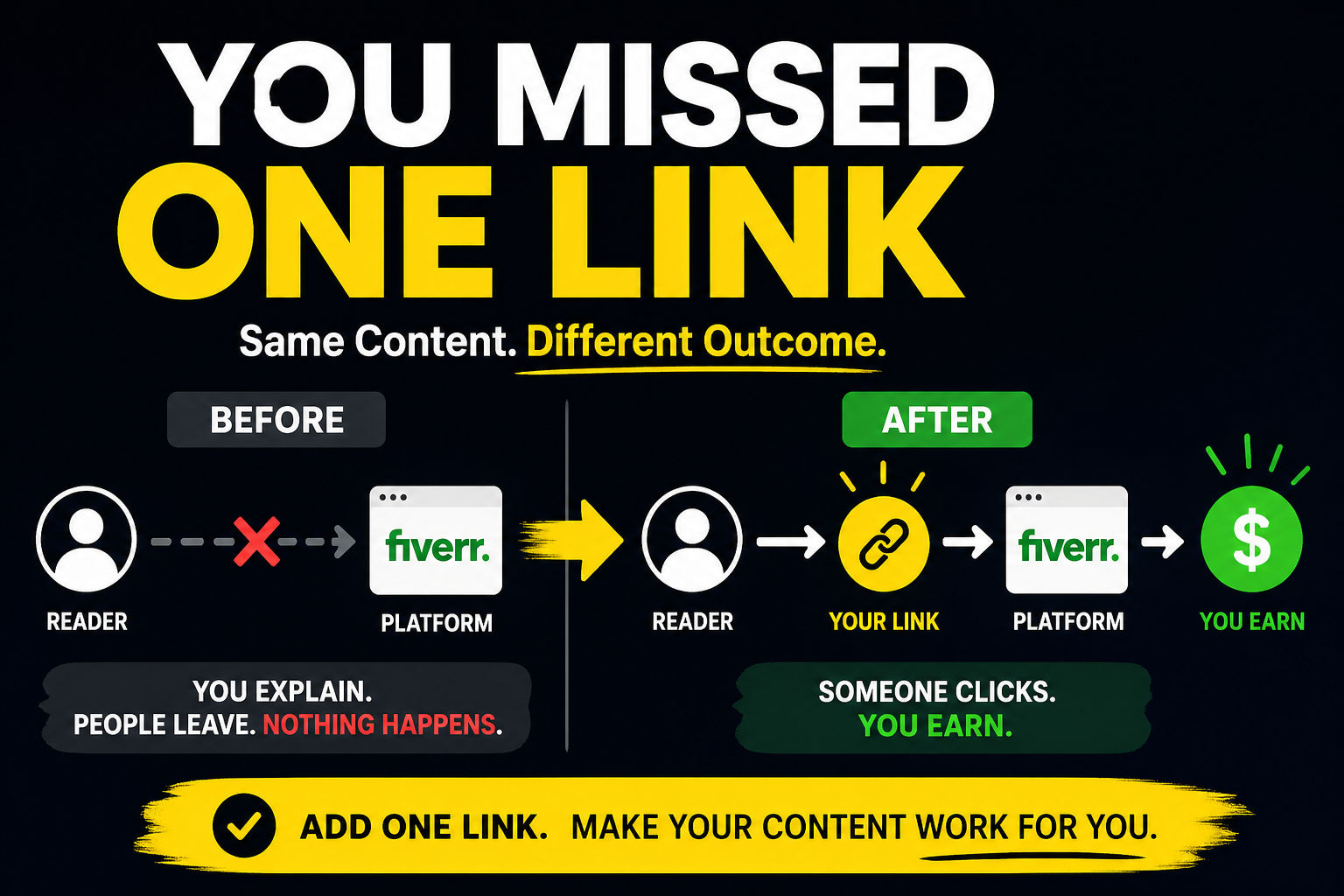
The visitor clicks an affiliate link.
The visitor joins an email list.
The visitor may later buy a guide, PDF, tool, or service.
That is a system.
The article itself is only one part of the structure.
But many AI blogs are just collections of disconnected posts. Each article stands alone. One post does not lead to another. There is no clear path for the reader. There is no next step. There is no trust-building process.
So even if the blog has many posts, it does not work like a money-making system.
It works like a warehouse full of articles.
And a warehouse does not make money just because it is full.
Once you understand why most AI blogs fail, the next step is learning how to use AI to write blog posts that can actually make money.
More Content Does Not Always Mean More Income
One of the biggest mistakes beginners make is thinking that more content always means more income.
It does not.
More useful content can help.
More targeted content can help.
More experience-based content can help.
But more generic content usually does not help much.
For example, imagine someone publishes ten AI-written blog posts every day.
The titles look good.
The paragraphs are clean.
The keywords are included.
The structure looks professional.
But the articles all feel similar.
There is no personal story.
There is no original point of view.
There is no clear reader journey.
There is no internal link strategy.
There is no reason for the reader to stay longer.
There is no clear way for the article to make money.
That kind of blog may look active, but it is weak.
Readers today do not need another basic explanation. The internet is already full of basic explanations.
People want something more specific.
They want to know:
Has this person actually tried this?
What went wrong?
What did they learn?
What should I avoid?
What should I do next?
Can I trust this person?
This is where generic AI content often fails.
AI can summarize information, but it cannot replace lived experience.
It has never stayed up late wondering why traffic is not growing.
It has never checked AdSense earnings and felt disappointed.
It has never published many posts and watched nobody read them.
It has never felt the small excitement of getting the first real visitor.
That human side matters.
Without it, a blog can feel empty even when it has many articles.
Most AI Blogs Have No Reader Flow
A money-making blog needs reader flow.
This means the reader should not land on one article and then leave immediately. The blog should guide the reader naturally from one useful page to another.
For example, someone may first read an article called:
“How to Make Money With AI”
After reading that article, the person may have more questions.
Can beginners really do this?
Is blogging a good way to start?
How do I write AI blog posts?
Why do some AI blogs fail?
How do I add affiliate links?
How does AdSense work?
Can I turn one blog post into multiple income streams?
A good blog answers these questions through connected articles.
One post leads to another.
One topic supports another.
One article builds trust for the next article.
That is how the blog becomes a system.
But many AI blogs do not have this structure.
The posts are not connected. The visitor reads one article and leaves. There is no internal link to a related topic. There is no suggestion for what to read next. There is no reason to continue.
This hurts the blog in two ways.
First, readers do not stay long.
Second, Google may have a harder time understanding the structure and purpose of the site.
A blog should not feel like random articles placed together.
It should feel like a guided path.
A Profitable Blog Needs a Purpose for Every Article
Every article on a money-making blog should have a job.
Some articles bring in new visitors.
Some articles build trust.
Some articles explain a problem.
Some articles compare options.
Some articles recommend tools.
Some articles lead to affiliate income.
Some articles support email signups.
Some articles help AdSense revenue by increasing time on site.
But many AI blog posts have no clear job.
They are just “content.”
That is not enough.
A blog post should not only ask, “What keyword can I target?”
It should also ask:
Who is this article for?
What problem does it solve?
What should the reader do after reading it?
Which article should this post link to?
Can this article lead to an affiliate product?
Can this article support an email list?
Can this article help build trust for a future product?
Without purpose, a blog post becomes passive.
It may exist on the website, but it does not move the reader anywhere.
And if the reader does not move, money usually does not move either.
Beginners Should Build the Structure Before Publishing Too Much
Many beginners do blogging in the wrong order.
They write many articles first.
Then later, they try to figure out how to make money.
A better way is to think about the structure first.
Before publishing too many posts, ask these questions:
What is my blog really about?
Who am I writing for?
What problem does my reader have?
What is the first article they should read?
What should they read next?
Where should the blog eventually lead them?
Will I use AdSense only?
Will I use affiliate links?
Will I build an email list?
Will I create a PDF, guide, or digital product later?
These questions are not small details.
They are the foundation.
If you skip them, you may end up with a blog full of articles that do not work together.
I learned this from experience.
Writing many posts is easy with AI.
Building a blog that actually makes sense is harder.
AI gives speed.
But the direction still has to come from you.
The 5 Systems an AI Blog Needs to Make Money
If you want an AI-assisted blog to make money, you need more than articles.
You need systems.
1. A Clear Topic
Your blog needs a clear direction.
If your site talks about AI income, saving money, blogging, digital products, and simple living, that can still work. But the connection must be clear.
For example, the main idea could be:
Helping ordinary people save money, use AI wisely, and build simple online income streams.
That gives the blog a direction.
If the topics feel too random, both readers and Google may struggle to understand what your site is about.
2. Internal Links
Internal links are important because they connect your content.
If one article explains the truth about making money with AI, another article can explain how to write AI blog posts. Another can explain why AI blogs fail. Another can explain affiliate links or AdSense.
These posts should not stand alone.
They should support each other.
Internal links help readers stay longer and help search engines understand your website better.
3. Real Experience
This is one of the most important parts.
AI can create a draft, but you should add your own experience.
What did you try?
What failed?
What surprised you?
What would you do differently?
What advice would you give to a beginner?
This makes the article more trustworthy.
It also makes the article harder to replace.
Anyone can ask AI to write a generic article. But nobody else has your exact experience.
4. Monetization Points
A blog needs places where money can actually happen.
This may include:
AdSense ads
affiliate links
email signup forms
downloadable PDFs
simple guides
digital products
recommended tools
services
Not every article needs to sell something. But the overall blog should have a path toward income.
If there is no monetization point, the blog may get traffic but still earn very little.
5. Regular Updating
Blogging is not only publishing.
It is also improving.
You may need to update old titles.
Add better examples.
Improve weak introductions.
Add internal links.
Remove thin content.
Rewrite AI-sounding parts.
Add more personal experience.
A blog is not finished after publishing.
A blog grows through editing.
This is especially true for AI content because the first draft often sounds too general. The real value comes when you improve it with human judgment and experience.
AI Is a Tool, Not the Whole Business
This article is not saying AI is useless.
AI is very useful.
For beginners, AI can reduce the fear of writing. It can help organize ideas. It can speed up content creation. It can suggest topics and improve structure.
But AI should not replace your thinking.
AI should help you write.
It should not decide your whole strategy.
AI can create a draft, but you should add the story.
AI can suggest keywords, but you should understand the reader.
AI can organize information, but you should build the system.
AI can speed up the work, but you should decide the direction.
The best AI blogs are not blogs where AI does everything.
The best AI blogs are blogs where a real person uses AI as a tool and then adds experience, judgment, and structure.
That is the difference.
Conclusion: AI Blogs Fail Because They Lack a System
Most AI blogs do not fail because AI is bad.
They fail because they have no system.
They have articles, but no structure.
They have content, but no reader flow.
They have information, but no experience.
They have traffic goals, but no monetization path.
They have publishing speed, but no clear direction.
I learned this the hard way.
I once thought that publishing dozens of AI-written posts in a day would help my blog grow. But when nobody came to read them, I realized that quantity alone was not enough.
When I started adding real experience, the blog became more useful. I did not need to publish as much as before. The articles became more focused. The content felt more honest. Visitors slowly started to increase.
That is why beginners should not only ask, “How can I write more articles with AI?”
They should ask better questions.
Who is this article for?
What problem does it solve?
What should the reader read next?
Where does this article fit inside my blog?
How can this content eventually support income?
What personal experience can I add that AI cannot create by itself?
AI can help you write faster.
But speed alone does not build a profitable blog.
A profitable blog needs structure, trust, experience, and a clear path.
AI can create the words.
But the system still has to come from you.