Tag: emergency fund

  • What to Do After Your First $1,000 (Don’t Make This Mistake)

    What to Do After Your First $1,000 (Don’t Make This Mistake)

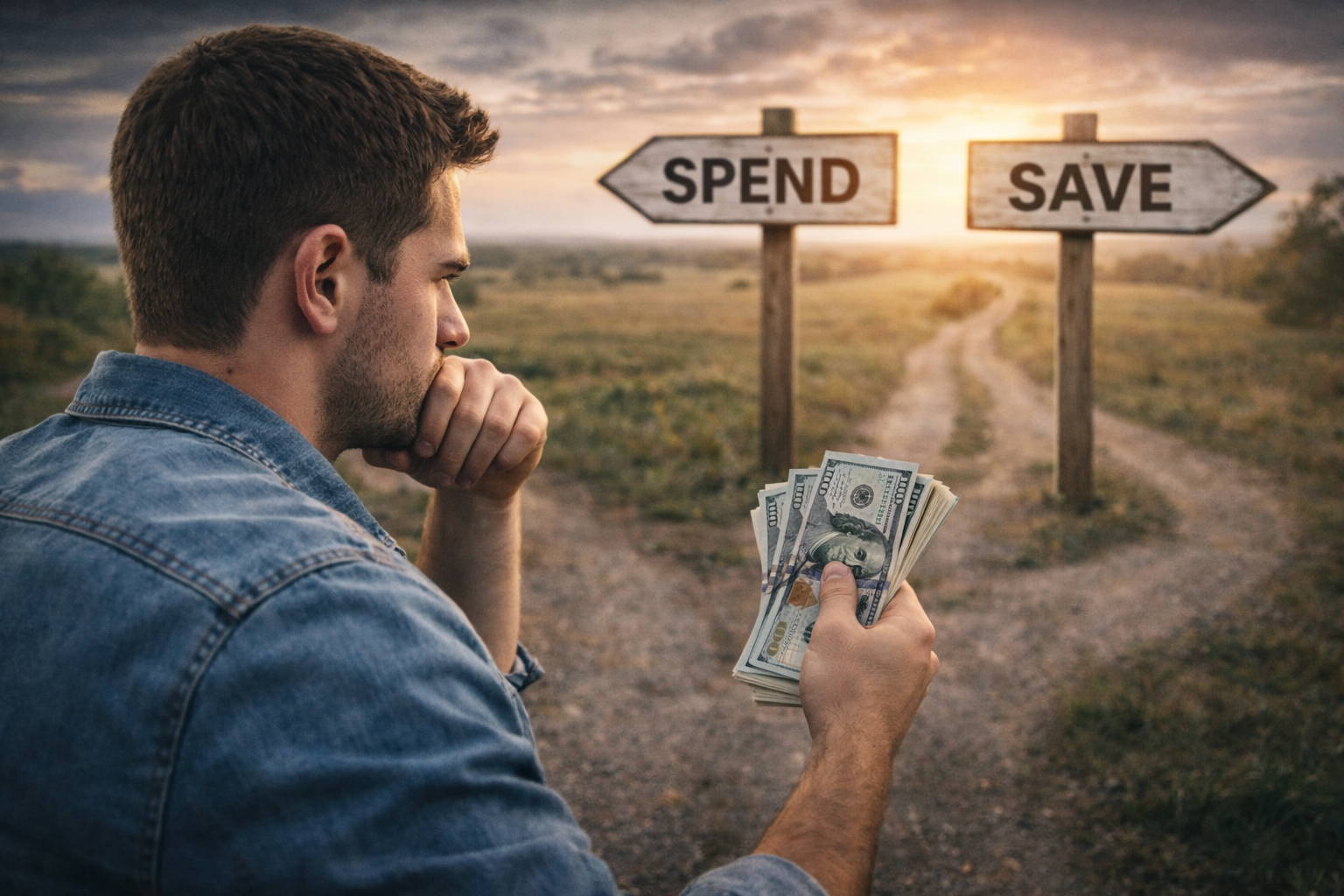
    Saving your first $1,000 feels like a big win.

    And it is.

    But this is also where a lot of people mess up.

    They think they’re finally “okay”…
    and then slowly end up right back where they started.


    The moment people get it wrong

    Once you hit that first $1,000, your mindset changes.

    You start thinking:

    “I deserve to spend a little.”
    “Maybe I should try investing.”
    “I’m doing fine now.”

    That’s usually where things go sideways.

    Because $1,000 isn’t the finish line.
    It’s just proof that you can do it.

    If you’re still struggling to save, read this:

    If saving money feels hard, it’s not your fault — it’s your system.

    Start here: How to Stop Impulse Spending (Even If You Have No Discipline)


    The common mistakes

    First, spending it back.

    You worked for it, so you reward yourself.
    A few small purchases, maybe one bigger one.
    Before you realize it, it’s gone.

    Second, jumping into investing without a plan.

    Stocks, crypto, whatever looks interesting.
    No understanding, just trying things.
    That money often disappears just as fast.

    Third, no next step.

    You saved money… but for what?
    If there’s no plan, progress just stops.


    What changed for me

    I used to spend about $10 a month on an online game.

    At the time, it felt like nothing.
    Just ten dollars.

    But after I finally saved my first $1,000, I started looking at everything differently.

    That “small” expense had been happening every single month.

    Not once. Not twice.
    Consistently.

    And the real problem wasn’t the amount.

    It was that I wasn’t even thinking about it.

    That’s when it clicked.

    It’s not always about how much you make.
    It’s about what you keep ignoring.

    Once I noticed it, I started catching other small leaks too.

    That’s when things actually started to change.


    What to do instead

    If you’ve hit $1,000, don’t stop there.

    Stretch it into something more useful.

    Start by building a real buffer.
    A few months of living expenses if possible.

    Then look at your spending patterns.
    Not in a strict, stressful way — just awareness.

    After that, take your time with investing.
    Learning matters more than jumping in early.

    And at some point, focus on increasing income.
    There’s a limit to how much you can cut.
    There isn’t really a limit to how much you can earn.


    One thing to think about

    Before you leave this page, do this:

    Think of one small expense you barely notice.
    Something you pay without thinking.

    Now multiply it by 12.

    That number is usually where the problem starts.


    Conclusion

    Your first $1,000 proves you can save.

    But what you do after that determines everything.

    Most people don’t fail because they earn too little.

    They fail because small habits keep working against them, quietly.

    Fix that, and everything else becomes easier.
  • How to Build an Emergency Fund Fast in 2026 (Even If You’re Starting From Zero)

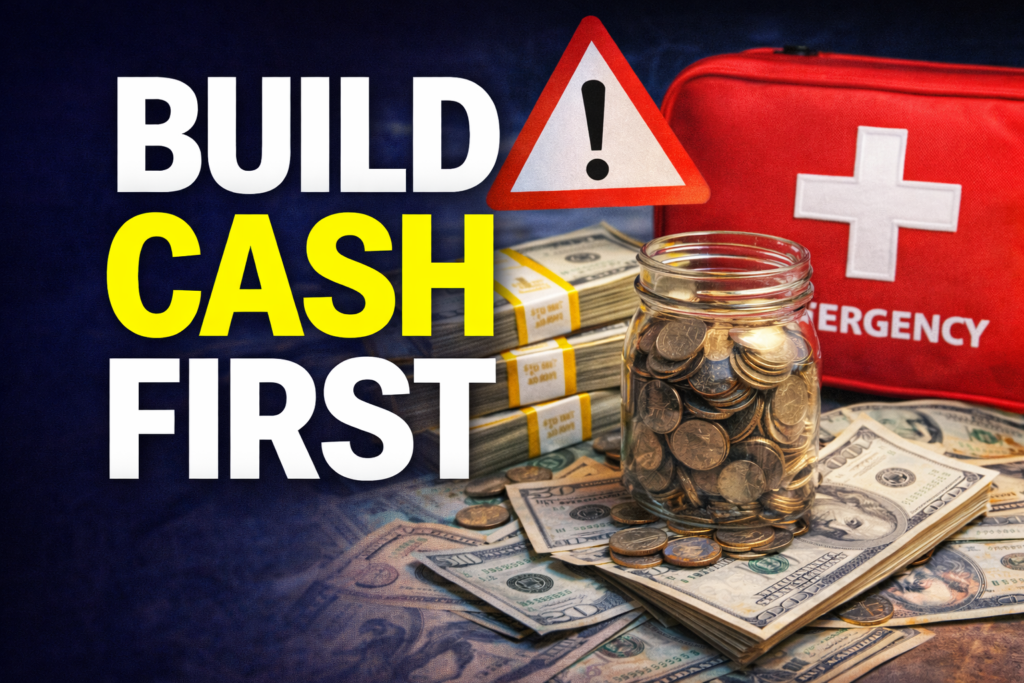
    emergency fund savings concept with cash money and financial safety in 2026


    Unexpected expenses can happen anytime.

    A medical bill, a car repair, or a sudden financial problem can put you in a difficult situation if you don’t have savings.

    That’s why having an emergency fund is no longer optional in 2026 — it’s essential.


    Why an Emergency Fund Is So Important

    Many people focus only on earning or investing money.

    But what happens when something goes wrong?

    Without cash available, you’re forced to make bad decisions:

    • Taking high-interest loans
    • Selling assets at the wrong time
    • Stressing over every small expense

    An emergency fund protects you from all of this.


    A Personal Lesson About Cash Flow

    I learned this lesson the hard way.

    At one point, I focused too much on investing and put most of my money into one place.

    When things didn’t go as planned, I suddenly found myself with very little cash.

    That was one of the most difficult periods for me.

    Even worse, some of my investments were tied to real estate.

    And when the market slowed down, I couldn’t sell those properties easily.

    I had assets — but no cash.

    That’s when I truly understood:

    Cash is not optional. It’s necessary.


    How Much Should You Save?

    A common recommendation is:

    • Minimum: $500 to $1,000
    • Ideal: 3 to 6 months of living expenses

    But if you’re just starting, don’t worry about big numbers.

    Start small.

    Even $100 is better than nothing.


    Step 1: Start With a Small Target

    Don’t try to save thousands immediately.

    Set a simple goal:

    • First $100
    • Then $500
    • Then $1,000

    Small wins build momentum.


    Step 2: Automate Your Savings

    Make saving automatic.

    Set up a system where a portion of your income goes directly into a separate account.

    If you don’t see the money, you won’t spend it.


    Step 3: Use a Separate Account

    Keep your emergency fund separate from your daily spending money.

    This reduces the temptation to use it.

    Out of sight, out of mind.


    Step 4: Cut Just One Expense

    You don’t need to change everything.

    Start by cutting just one unnecessary expense:

    • One subscription
    • One habit
    • One weekly expense

    Redirect that money into your emergency fund.


    Step 5: Stay Consistent

    Building an emergency fund is not about speed.

    It’s about consistency.

    Even small amounts, saved regularly, will grow over time.


    Final Thoughts

    Many people think investing is the key to financial success.

    But without a solid cash foundation, even good investments can fail.

    From my own experience, having no cash during difficult times is far worse than having no investments.

    Start building your emergency fund today.

    Your future self will thank you.